
Administrative Publication · Regional Visitor Framework
The 10 Experiences Travellers Favour in the American West in 2026
Issued by the Editorial Office, ESTA PORTAL US ONLINE · Senior Administrative Adjudicator Review
Introduction
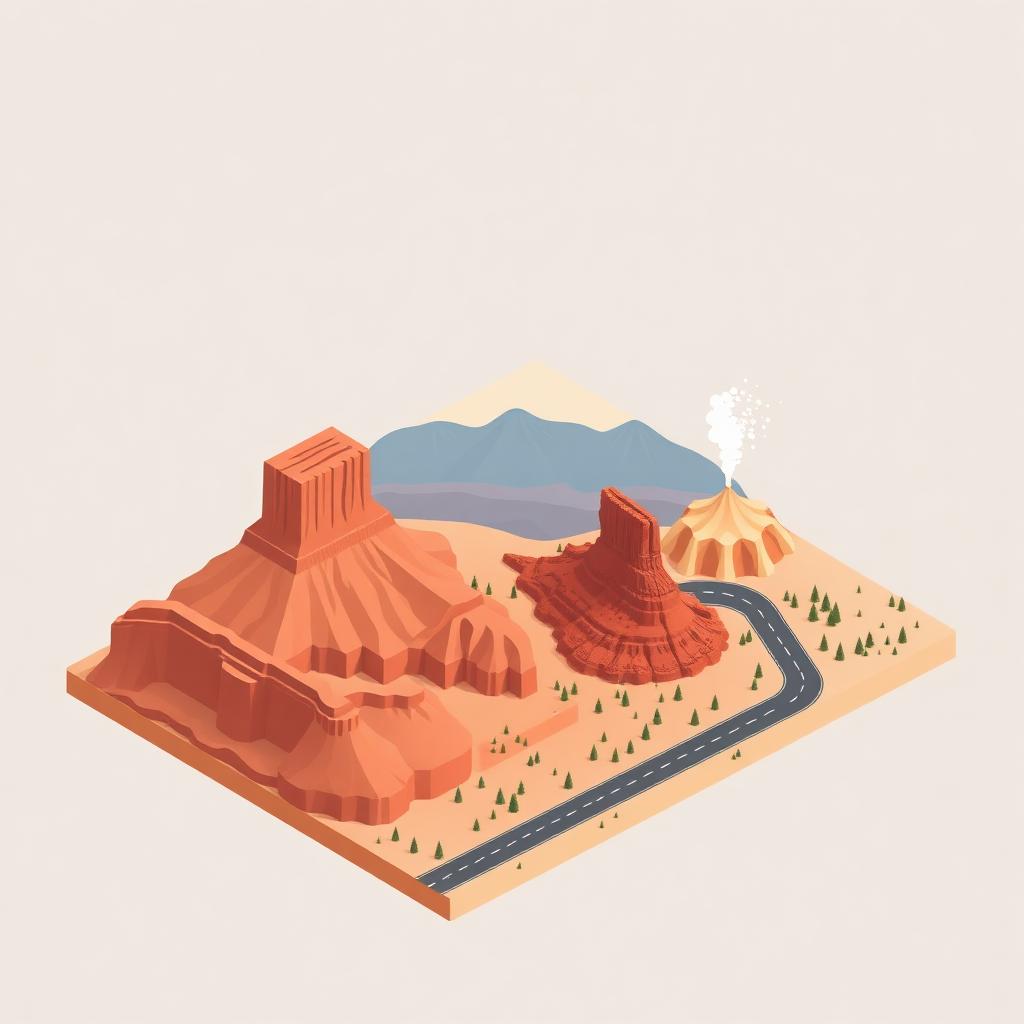
American West Travel constitutes a principal category of visitor activity within the contiguous United States and encompasses national parks, desert landscapes, mountain regions, designated historical routes, and metropolitan destinations distributed across the western states. The present publication is issued in order to facilitate accurate procedural understanding of the ten experiences most frequently selected by visitors to the American West during the 2026 calendar year, with particular reference to destination planning, transportation logistics, visitor considerations, national park access regulations, and entry documentation requirements applicable to the Subject undertaking the Entry Authorization Process.
[Official Advisory]
Interstate visitor activity remains subject to transportation regulations, park access requirements, entry documentation obligations, and immigration compliance standards where international entry is involved.
Understanding American West Travel
The American West is conventionally understood to encompass the states situated west of the one hundredth meridian, including California, Nevada, Arizona, Utah, Colorado, Wyoming, Montana, Idaho, New Mexico, Oregon, and Washington. The region is characterised by significant geographical diversity, encompassing the Pacific coastline, the Sierra Nevada and Rocky Mountain ranges, the high desert plateaus of the Colorado Plateau, and the geothermal regions of the Yellowstone caldera.
Tourism significance of the region is supported by an extensive concentration of federally administered national parks, monuments and recreation areas, by an integrated interstate highway network administered under the supervision of the U.S. Department of Transportation, and by major international airports situated at Los Angeles, San Francisco, Las Vegas, Denver, Phoenix and Salt Lake City. Visitor demand for American West Travel has been sustained at elevated levels during the post-2022 recovery interval and includes a significant proportion of international visitors entering under the Visa Waiver Program or under issued consular Authorisation Credentials. The present administrative publication enumerates the Best Experiences in American West and the principal Western USA Attractions selected by the visitor population.
Why the American West Remains Popular in 2026
Selection of the American West as a visitor destination is associated with several objective factors. Landscape diversity within a single multi-state itinerary is unusual at the international level and includes coastal, alpine, desert, and geothermal environments within a compact regional envelope. National park concentration is the highest of any comparable region in the United States, with twenty-seven units administered by the National Park Service situated within the eleven western states.
Historic routes, including segments of Route 66, the Oregon Trail, and the Pacific Coast Highway, retain interpretative significance and continue to be maintained for visitor use. Outdoor recreation infrastructure, encompassing designated wilderness, scenic byways, and concessionaire-operated services, is widely developed. Cultural heritage attractions include sites associated with indigenous nations, Spanish colonial history, and the mining and ranching era. Transportation accessibility is supported by an extensive rental vehicle market, major international gateways, and intercity rail services administered by the National Railroad Passenger Corporation.
Experience #1: Exploring the Grand Canyon
The Grand Canyon is administered by the National Park Service as the Grand Canyon National Park and is situated within northern Arizona. Geological significance is associated with the exposed stratigraphic record of approximately one point seven billion years documented within the canyon walls. Visitor access is principally undertaken at the South Rim, which is open throughout the calendar year, and at the North Rim, which is generally accessible from mid-May through mid-October subject to weather conditions.
Transportation logistics include access by private vehicle from Flagstaff or Williams, Arizona, and by motorcoach service from Las Vegas. Visitor planning should incorporate the operation of the South Rim shuttle bus system during peak intervals, advance reservation of in-park lodging administered by concessionaires, and adherence to designated viewpoint and trail use regulations. Seasonal access requirements include observance of elevated temperatures within the inner canyon during the summer interval and snow-related closures affecting the North Rim access road.
Experience #2: Driving the Pacific Coast Highway
The Pacific Coast Highway, designated principally as California State Route 1, extends along the Pacific coastline of California between Dana Point and Leggett. Scenic viewpoints include the Big Sur coastal segment, the Bixby Creek Bridge, the Monterey Peninsula, and the coastal terraces north of Bodega Bay.
Highway planning considerations include observance of designated speed limits, identification of fuel availability across remote coastal segments, and allocation of sufficient transit time within the Big Sur corridor. Transportation requirements include a valid driver licence acceptable under the regulations of the State of California and a rental vehicle agreement permitting interstate movement. Seasonal conditions include the occurrence of marine layer fog during the summer interval and periodic landslide closures requiring detour via parallel highway corridors.
Experience #3: Visiting Yellowstone National Park
Yellowstone National Park, situated principally within the State of Wyoming with adjacent sections in Montana and Idaho, is the oldest national park unit in the United States and is administered for the preservation of its geothermal, ecological, and geological resources. Principal geothermal features include the Old Faithful Geyser, the Grand Prismatic Spring, the Mammoth Hot Springs terraces, and the Norris Geyser Basin.
Wildlife observation is undertaken principally within the Lamar Valley and Hayden Valley and is subject to mandatory minimum-distance regulations established by the National Park Service. Visitor regulations include prohibition of off-trail movement within thermal areas, mandatory food storage in designated containers, and observance of speed limits established for wildlife protection. Seasonal accessibility is restricted, with the majority of park roads closed to standard vehicular use between early November and late April subject to snow conditions.
Experience #4: Experiencing Zion National Park
Zion National Park is situated within south-western Utah and is characterised by deep sandstone canyons, the Virgin River drainage, and an extensive network of maintained hiking routes. Principal routes include the Angels Landing trail, for which a permit issued through a managed lottery is required, and The Narrows, a canyon route traversed within the bed of the Virgin River.
The Zion Canyon shuttle system operates between early March and late November and is the principal means of access to Zion Canyon during the peak interval, with private vehicle access restricted within the canyon corridor during operating periods. Safety requirements include conduct adjudication of flash flood forecasts prior to entry into narrow canyon environments, observance of route-specific regulations, and possession of footwear and equipment appropriate to the selected route.
Experience #5: Exploring Monument Valley
Monument Valley is administered by the Navajo Nation as the Monument Valley Navajo Tribal Park and is situated on the Arizona–Utah border within the Colorado Plateau. Geological significance is associated with the residual sandstone buttes rising in excess of three hundred metres above the valley floor.
Visitor access procedures are administered by the Navajo Nation Parks and Recreation Department and require payment of an admission fee distinct from National Park Service fees. The Valley Drive scenic loop is open to private vehicles subject to surface conditions; guided tours administered by authorised Navajo operators are required for access to designated restricted sections. Photography is permitted within the scenic loop subject to observance of cultural considerations and to specific restrictions communicated by the administering authority. Transportation planning should incorporate the limited fuel and accommodation availability within the immediate vicinity of the tribal park.
Experience #6: Visiting Las Vegas and the Nevada Desert
Las Vegas, situated within Clark County, Nevada, constitutes a significant urban tourism destination and operates as a principal gateway for the wider American West Travel network. Tourism infrastructure includes a concentrated inventory of accommodation, designated entertainment districts including the Las Vegas Boulevard South corridor and the Fremont Street downtown district, and the Harry Reid International Airport.
Nearby natural attractions accessible by short transit include the Red Rock Canyon National Conservation Area administered by the Bureau of Land Management, the Valley of Fire State Park, the Lake Mead National Recreation Area, and the Hoover Dam. Transportation logistics include availability of an extensive rental vehicle market, rideshare and taxi services, and limited public transportation within the immediate metropolitan area. Visitor planning requirements include observance of municipal ordinances applicable within designated entertainment districts and adherence to elevated-temperature considerations during the summer interval.
Experience #7: Discovering Yosemite National Park
Yosemite National Park is situated within the central Sierra Nevada range of California and is administered for the preservation of its granite formations, waterfalls, and giant sequoia groves. Principal features include El Capitan, Half Dome, Yosemite Falls, and the Mariposa Grove of giant sequoias.
Valley access is administered through a seasonal vehicle reservation system during peak periods established annually by the National Park Service. Visitor demand is concentrated during the summer interval and during designated weekend periods. Reservation requirements include in-park lodging, designated campgrounds, and the wilderness permit system applicable to backcountry routes. Seasonal considerations include the closure of the Tioga Road across the Sierra crest between approximately November and late May or June, subject to snowpack conditions.
Experience #8: Following Historic Route 66
Historic United States Route 66 was decommissioned as a federal highway designation in 1985 and has subsequently been administered in part through state historic preservation programmes. Remaining drivable segments are situated principally within Arizona, New Mexico, California, and Missouri, with interpretative facilities maintained at multiple points along the original alignment.
Visitor attractions associated with the route include preserved roadside architecture, museums dedicated to the highway era, and segments of original pavement maintained as scenic byways. Transportation considerations include the requirement to combine historic-segment driving with parallel interstate movement, principally Interstates 40 and 44. Multi-state planning requirements include conformity with the regulations of each state through which the route passes, including those applicable to rental vehicle agreements, fuel taxation, and operator licensing.
Experience #9: Exploring Rocky Mountain Destinations
The Colorado mountain region encompasses the Rocky Mountain National Park, the San Juan Mountains, and the resort municipalities of Aspen, Vail, Breckenridge, and Telluride. Rocky Mountain National Park is administered by the National Park Service and includes Trail Ridge Road, the highest continuous paved highway within the National Park System.
Scenic byways within the region include the San Juan Skyway, the Million Dollar Highway, and the Trail Ridge Road. Weather considerations include the occurrence of afternoon thunderstorm activity during the summer interval, the rapid onset of winter conditions at higher elevations, and seasonal closure of high-elevation road segments. Visitor planning obligations include the timed-entry permit system applicable to Rocky Mountain National Park during the summer interval, advance reservation of accommodation within resort municipalities, and conformity with altitude-related health considerations applicable to visitors transitioning from lower elevations.
Experience #10: Visiting the Red Rock Landscapes of Utah and Arizona
The red rock landscape category encompasses Arches National Park, Bryce Canyon National Park, Canyonlands National Park, Capitol Reef National Park, and the Sedona region of north-central Arizona. Arches National Park, situated near Moab, Utah, contains the highest documented density of natural sandstone arches within the National Park System and operates a timed-entry reservation system during the peak interval.
Bryce Canyon National Park is situated within south-central Utah and is characterised by its dense concentration of hoodoo formations within the principal amphitheatres. Canyonlands National Park comprises the Island in the Sky, Needles, and Maze districts, each of which requires separate access planning. The Sedona region, situated within Coconino County, Arizona, is characterised by red sandstone formations and is accessible from Phoenix by interstate highway. Transportation logistics across the red rock region include significant inter-park transit distances and limited fuel availability across remote segments.
Suggested Two-Week Western USA Attractions Itinerary
The following framework is presented for informational purposes and may be adapted according to seasonal access conditions, advance reservation availability, and individual visitor priorities.
- Days 1–3: Arrival at Harry Reid International Airport, orientation within Las Vegas, transit to Grand Canyon National Park South Rim, inspection of designated viewpoints, return transit to Las Vegas or onward transit to Utah.
- Days 4–6: Transit to Zion National Park, shuttle-based visitation of Zion Canyon, transit to Bryce Canyon National Park, inspection of the principal amphitheatre and selected rim routes.
- Days 7–9: Transit through the Glen Canyon region, visitation of Monument Valley, transit to Moab, inspection of Arches National Park and selected districts of Canyonlands National Park.
- Days 10–12: Transit to Yellowstone National Park via Jackson, Wyoming, inspection of principal geothermal basins, wildlife observation in the Lamar and Hayden valleys, and transit through Grand Teton National Park.
- Days 13–14: Transit to Rocky Mountain destinations within Colorado, inspection of Rocky Mountain National Park along the Trail Ridge Road corridor, and departure from Denver International Airport.
Seasonal Considerations
Spring (March–May): Weather conditions are generally moderate across desert regions; higher-elevation parks may remain subject to snow-related closures. Visitor demand is sustained but below peak summer levels. Transportation planning should incorporate variable road accessibility within mountain corridors.
Summer (June–August): Weather conditions include elevated temperatures within desert units and afternoon thunderstorm activity within mountain regions. Visitor demand is at peak levels. Accessibility is generally maximised, but timed-entry reservations and accommodation availability require advance planning.
Autumn (September–November): Weather conditions are generally favourable; visitor demand begins to decrease following the Labor Day observance. Accessibility remains broadly maintained, with the onset of snow-related closures at higher-elevation units beginning in late October.
Winter (December–February): Weather conditions include snow accumulation at higher elevations and significant cold within mountain regions. Visitor demand is reduced, except within designated alpine resort districts. Accessibility is restricted at multiple national park units; transportation planning should incorporate winter equipment requirements where applicable.
Budget Planning Considerations
The following ranges are provided for informational purposes and are subject to seasonal and market variation:
- Transportation expenses: domestic interstate fuel and toll expenditure for a fourteen-day itinerary typically falls within the range of four hundred to seven hundred United States dollars per vehicle.
- Accommodation costs: nightly accommodation rates within national park gateway communities typically fall within the range of one hundred fifty to three hundred United States dollars during the peak interval.
- National park fees: the standard private vehicle entry fee at most major parks is thirty-five United States dollars per vehicle for a seven-day permit; the America the Beautiful annual pass is available at eighty United States dollars.
- Vehicle rental expenses: standard passenger vehicle rental rates within the region typically fall within the range of sixty to one hundred twenty United States dollars per day during the peak interval.
- Food and dining expenditures: per diem dining expenditure typically falls within the range of fifty to one hundred twenty United States dollars per person.
Common Visitor Planning Errors
Underestimation of travel distances: failure to allocate sufficient transit time between western destinations results in compressed itineraries and missed reservations.
Ignoring seasonal conditions: failure to conduct adjudication of seasonal road and trail closures results in inaccessible itinerary segments, including the Tioga Road in Yosemite and the Trail Ridge Road in Rocky Mountain National Park.
Insufficient accommodation planning: in-park lodging within high-demand units is frequently fully reserved many months in advance; failure to reserve early results in extended commutes from peripheral communities.
Failure to reserve high-demand attractions:omission of timed-entry permits applicable to Yosemite, Arches, Rocky Mountain and Glacier National Parks may result in denial of entry during operating periods.
Missing entry documentation requirements:failure to obtain an approved ESTA authorization or an appropriate consular Authorisation Credential prior to boarding results in denial of carriage by the designated transportation carrier.
International Visitor Documentation Requirements
International visitors undertaking the Entry Authorization Process to the United States for purposes of American West Travel are subject to standard entry documentation requirements administered by U.S. Customs and Border Protection under the supervision of the U.S. Department of Homeland Security. Passport requirements include possession of a valid travel document conforming to the technical standards prescribed for international entry and remaining valid for the duration of the intended period of stay.
ESTA authorization is required for nationals of jurisdictions designated under the Visa Waiver Program who undertake the Entry Authorization Process by air or sea carrier for purposes of tourism or short-duration business. Where ESTA eligibility is not established, an appropriate non-immigrant Authorisation Credential issued by a consular post of the U.S. Department of State is required prior to boarding. Immigration inspection procedures at the port of entry include biometric capture, validation of travel documentation, and adjudication of admissibility by the inspecting officer. Authorized stay periods are determined at the port of entry and are recorded within the electronic admission record maintained by U.S. Customs and Border Protection.
Administrative Compliance Standards
Identity verification procedures are administered through inspection of the passport, biometric capture where required, and validation against databases maintained for security and immigration purposes. Transportation regulations include conformity with road traffic regulations applicable within each state of transit, with rental vehicle agreement terms, and with federal transportation safety standards.
National park requirements include payment of the prescribed entry fee or possession of a valid interagency pass, conformity with unit-specific regulations, and observance of timed-entry and permit requirements where applicable. Immigration compliance obligations include observance of the authorized period of stay and the declared purpose of admission. Documentation integrity requires accurate, current, and consistent presentation of authorization records at all points of inspection. Visitor conduct expectations include conformity with applicable federal, state, and tribal regulations within the units visited.
Access Official Submission Resources
Applicants seeking administrative guidance regarding American West Travel planning, Best Experiences in American West entry requirements, Western USA Attractions documentation obligations, and United States entry authorization procedures may access the ESTA PORTAL US ONLINE submission environment for procedural reference and application processing information.
Frequently Asked Questions
References
- National Park Service — administration of national park units within the western United States.
- Bureau of Land Management — administration of public lands and designated recreation areas.
- U.S. Department of Transportation — interstate highway corridor and federal transportation programmes.
- U.S. Customs and Border Protection — port of entry inspection and admissibility determinations.
- U.S. Department of State — consular Authorisation Credential framework and international visitor information.
Related administrative publications:
Administrative Conclusion
American West Travel planning considerations encompass selection of regional itinerary components, conformity with seasonal access conditions, and discharge of the documentary obligations applicable to international visitors. The Best Experiences in American West, as enumerated within the present publication, encompass the principal national parks of the Colorado Plateau and the Greater Yellowstone ecosystem, the Pacific coastline, the historic transportation corridor of Route 66, and the metropolitan and tribal park destinations of the desert south-west.
Western USA Attractions logistics include the use of an extensive interstate highway network, rental vehicle availability, and concessionaire-administered in-park services. Entry documentation requirements include a valid passport, an approved ESTA authorization or an appropriate consular Authorisation Credential, and supporting documentation sufficient to substantiate the declared itinerary. Immigration compliance obligations include conformity with the authorized period of stay, observance of permissible entry purposes, and adherence to all conditions established at the port of entry by U.S. Customs and Border Protection.
