
Administrative Publication · National Park Visitor Framework
The Narrows Hike in Zion: Practical Guide 2026
Issued by the Editorial Office, ESTA PORTAL US ONLINE · Senior Administrative Adjudicator Review
Introduction
The Narrows Hike is one of the most frequently visited hiking routes within Zion National Park and constitutes a designated visitor route administered by the National Park Service along the North Fork of the Virgin River. The present publication is issued in order to facilitate accurate procedural understanding of access requirements, permit conditions, seasonal considerations, safety protocols, and transportation logistics applicable to the Subject planning to undertake The Narrows Hike during the 2026 calendar year.
[Official Advisory]
Access to canyon environments is subject to environmental conditions, flash flood advisories, park regulations, and visitor safety requirements. Conditions should be validated for compliance prior to route entry.
Understanding The Narrows Hike
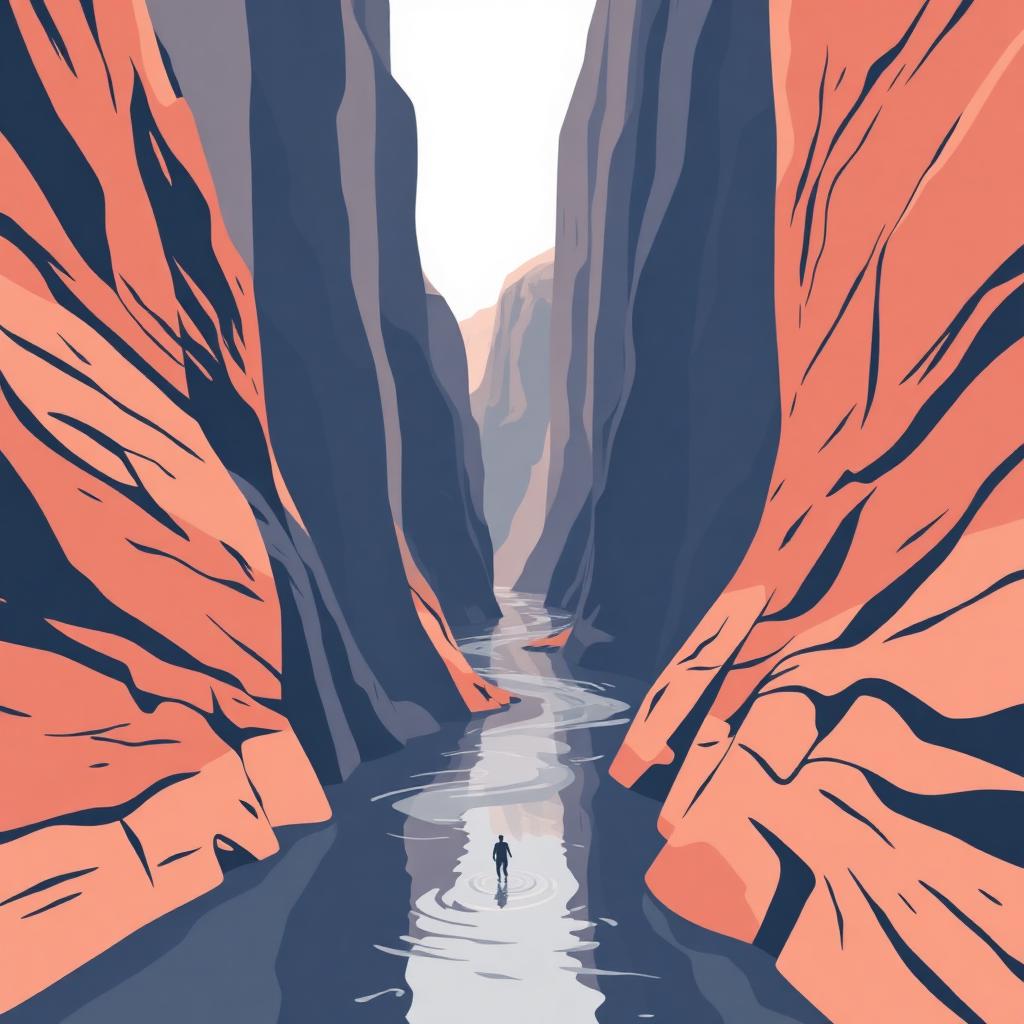
The Narrows Hike is situated within the upper portion of Zion Canyon, in the northwestern region of the State of Utah, and is contained within Zion National Park as administered by the National Park Service under the authority of the U.S. Department of the Interior. Geological significance of the canyon is attributable to incision of the Virgin River through the Navajo Sandstone formation over a period of substantial duration, producing a slot canyon environment characterized by vertical walls reaching in excess of three hundred meters above the river corridor.
The Virgin River corridor constitutes the principal navigation surface for the route, and progression is conducted directly through the watercourse for the substantial majority of the route's length. Canyon characteristics at the narrowest sections include corridor widths reduced to approximately six meters between opposing sandstone walls. Visitor demand for The Narrows Hike is sustained throughout the operational season and constitutes one of the principal contributors to overall visitation at Zion National Park, which routinely ranks among the most visited national park units administered by the National Park Service.
The Zion National Park Hike framework is administered through coordinated visitor access procedures, including shuttle transportation, trailhead inspection, and environmental monitoring. The Zion Hiking Guide reference set issued by the National Park Service constitutes the authoritative source of procedural information for visitors planning entry into the canyon system.
Why The Narrows Hike Is Unique
The Narrows Hike is distinguished from conventional hiking routes by the river hiking environment, in which progression is conducted predominantly in water of variable depth and velocity rather than along a constructed trail. Narrow canyon walls, in the most constricted sections, define an enclosed environment of substantial vertical extent and limited horizontal width.
Geological formations within the canyon document the depositional and erosional history of the Colorado Plateau region. Seasonal variations in water level, temperature, and visitor volume produce materially different operating environments across the calendar year. Visitor experience characteristics include sustained physical engagement with the watercourse, exposure to the canyon acoustic environment, and the absence of conventional trail infrastructure within the principal segments of the route.
Access Requirements for 2026
Zion National Park entry requirements include payment of the applicable park admission fee or presentation of an authorized interagency pass issued by the National Park Service. Park access procedures include arrival at one of the designated entrance stations and conformity with traffic and parking instructions issued by park personnel.
The shuttle system operations administered by the National Park Service constitute the principal mode of intra-canyon transportation during the operational season. Private vehicle access to the upper canyon, including the Temple of Sinawava trailhead, is restricted during periods of shuttle operation, and the Subject is required to use the shuttle service for the inbound and outbound segments.
Trailhead access for the bottom-up configuration of The Narrows Hike is administered through the Temple of Sinawava terminus of the shuttle route. Visitor regulations include conformity with environmental protection requirements, prohibition on disturbance of natural and cultural features, and observance of all instructions issued by National Park Service personnel. Safety advisories, including flash flood advisories, are issued through park information channels and should be validated for compliance prior to entry into the canyon.
Route Options
Bottom-Up Route
The bottom-up configuration of The Narrows Hike commences at the Temple of Sinawava shuttle terminus, situated at the upstream end of the Zion Canyon Scenic Drive. The initial segment proceeds along the paved Riverside Walk for a distance of approximately 1.6 kilometers, terminating at the point of entry into the watercourse.
Distance considerations are determined by the elected turnaround point. The upstream limit for same-day access is Big Spring, situated approximately 8 kilometers from the watercourse entry point. Turnaround flexibility is a defining characteristic of the bottom-up configuration; the Subject may terminate progression at any point and return to the trailhead. Visitor suitability extends to a wide range of individuals capable of sustained operation in water of variable depth, subject to seasonal conditions and personal fitness considerations.
Top-Down Route
The top-down configuration commences at Chamberlain's Ranch, situated upstream of the park boundary, and traverses the canyon in its entirety over a total distance of approximately 26 kilometers, terminating at the Temple of Sinawava. The route is characterized by sustained in-water progression, multiple obstacles requiring deliberate navigation, and limited points of egress.
Permit requirements apply to the top-down configuration without exception. Overnight considerations include the possibility of camping at one of twelve designated wilderness campsites distributed along the route, subject to permit authorization. Technical challenges include sustained water exposure, navigation of swimming sections in selected seasons, and the absence of marked trail infrastructure. The top-down configuration is suitable for experienced wilderness operators with appropriate equipment and conditioning.
The principal differences between the two configurations relate to permit requirements, total distance, route commitment, and operational complexity. The bottom-up configuration provides accessible same-day visitation; the top-down configuration constitutes an extended wilderness undertaking subject to administrative authorization.
Permit Requirements
Situations requiring a permit include the top-down configuration of The Narrows Hike commencing at Chamberlain's Ranch and any overnight occupancy within the designated wilderness campsites along the canyon. Same-day bottom-up access from the Temple of Sinawava trailhead does not require a permit.
Top-down route authorization is administered through the Zion National Park wilderness permit system. A defined number of permits are issued per day, with allocation conducted through an advance lottery, calendar-based reservation, and a limited walk-up component. Wilderness permit procedures require submission of itinerary information, payment of applicable fees, and conformity with the conditions specified in the authorization document.
Administrative review requirements include validation of itinerary feasibility, confirmation of group size compliance, and adjudication of campsite designations where applicable. National Park Service regulations apply throughout the duration of the authorized period and require conformity with environmental protection, waste management, and safety standards.
Seasonal Conditions
Spring (March through May) is characterized by elevated water levels in the Virgin River resulting from snowmelt within the upstream catchment. Temperatures within the canyon are moderate. Visitor volume increases progressively. Accessibility may be constrained during peak runoff conditions, when the National Park Service may issue temporary closures. Safety implications include reduced thermal margin and elevated current velocity.
Summer (June through August) is characterized by moderate water levels, elevated ambient temperatures, peak visitor volume, and elevated probability of flash flood events resulting from monsoon activity. Accessibility is generally favorable outside flash flood advisory periods. Safety implications include the elevated probability of sudden water level events and the requirement for vigilant monitoring of advisory channels.
Autumn (September through November) is characterized by moderating temperatures, reduced water levels, reduced visitor volume relative to summer peak, and generally favorable accessibility. This period is frequently identified as among the most favorable for undertaking The Narrows Hike. Safety implications include reducing daylight duration approaching the end of the season.
Winter (December through February) is characterized by reduced water and ambient temperatures, reduced visitor volume, and the requirement for supplemental cold-weather equipment, including dry suits available through authorized outfitters in the adjacent municipality of Springdale. Accessibility is subject to episodic closure resulting from ice formation and adverse weather. Safety implications include elevated hypothermia risk and the requirement for specialized equipment.
Equipment Considerations
Hiking footwear appropriate to The Narrows Hike includes closed-toe footwear with adequate ankle support, sole traction suitable for submerged sandstone surfaces, and drainage characteristics permitting operation in water. Specialized canyoneering footwear is available through authorized outfitters and is frequently selected for the route.
Walking sticks or trekking poles are recommended to facilitate stability against current and to permit probing of submerged surfaces. Waterproof equipment, including dry bags or equivalent storage, is required for protection of documentation, electronic devices, and supplemental clothing. Safety gear includes a personal first-aid provision and emergency communication equipment where applicable. Cold-weather equipment, including dry suits and thermal layers, is required during winter operations and during periods of reduced water and ambient temperature.
Storage requirements include the use of waterproof containers for items susceptible to water damage and the avoidance of equipment that would impede recovery in the event of unintended immersion. Equipment selection is material to the safety and completion of the route, and inadequate equipment is among the principal reasons for which visitors are turned back at the trailhead by National Park Service personnel.
Flash Flood Risks and Safety Protocols
Flash flood causes within the Zion Canyon system include localized precipitation events, sustained regional precipitation, and rapid snowmelt during transitional periods. Canyon risk factors include the limited cross-sectional area of the slot canyon environment, the substantial upstream catchment, and the limited number of high-ground egress points along the route.
National Park Service alerts are issued through visitor center displays, ranger briefings, official electronic channels, and trailhead postings. The Subject is required to validate compliance with the current advisory prior to entry into the canyon. Weather monitoring procedures should include consideration of regional forecasts encompassing the upstream catchment area and not solely the canyon itself.
Emergency response considerations include the limited mobile communications coverage within the canyon, the protracted response time for in-canyon rescue operations, and the necessity of self-reliance with respect to immediate response. Non-compliance with safety advisories, including entry into the canyon notwithstanding an active flash flood advisory, may result in serious injury, fatality, citation, and the consequential mobilization of search and rescue resources at substantial public cost.
Transportation and Logistics
Zion shuttle services administered by the National Park Service constitute the principal mode of intra-canyon transportation during the operational season, which generally encompasses the period from late winter through late autumn, subject to annual determination by park administration. Shuttle service operates at defined intervals from the Visitor Center and adjacent staging areas to the Temple of Sinawava terminus.
Parking considerations include the limited capacity of the Visitor Center parking facility and the alternative availability of parking within the adjacent municipality of Springdale, supplemented by a complementary shuttle service operated by the municipal authority. Visitor center access provides reference information, current advisories, and ranger briefings.
Seasonal transportation policies include the substantial restriction of private vehicle access to the upper canyon during periods of shuttle operation. Arrival planning requirements include early arrival during peak visitor periods, validation of shuttle operating schedules, and confirmation of accommodation reservations in Springdale or in proximate alternative municipalities.
Estimated Budget Considerations
Park entrance fees applicable to Zion National Park are determined by the National Park Service and are payable per vehicle, per individual, or through the presentation of an authorized interagency pass. Equipment rental expenses for specialized canyoneering footwear, walking sticks, and dry suits are administered by authorized outfitters in the adjacent municipality and vary with the period of rental.
Accommodation considerations include the limited capacity of in-park lodging and the corresponding need for advance reservation, supplemented by accommodation inventory in Springdale and in nearby municipalities. Transportation costs encompass fuel and intra-region transportation. Permit fees, where applicable to the top-down configuration or overnight occupancy, are administered by the National Park Service and are payable as part of the wilderness permit authorization process. Indicative budgetary ranges may be obtained from publications issued by the National Park Service and from the published rate schedules of authorized outfitters.
Common Visitor Planning Errors
Ignoring weather forecasts. Entry into the canyon notwithstanding adverse weather forecasts or active flash flood advisories may result in encounter with sudden water level events and corresponding serious injury or fatality.
Inadequate footwear. Operation in footwear not appropriate to submerged sandstone surfaces increases the probability of slip events, ankle injury, and may result in the Subject being turned back at the trailhead by National Park Service personnel.
Underestimating water conditions. Failure to validate current water level and velocity may result in encounter with conditions exceeding the operational capability of the Subject, with consequential risk of injury or fatality.
Failure to review permit requirements. Undertaking the top-down configuration or overnight occupancy without the requisite wilderness permit constitutes non-compliance and is subject to citation and enforcement action by National Park Service personnel.
Insufficient hydration planning. Notwithstanding the in-water character of the route, the Virgin River is not a source of potable water absent appropriate treatment. Failure to carry sufficient potable water may result in dehydration and heat-related events.
Delayed arrival times. Late arrival during peak visitor periods may result in unavailability of shuttle capacity, parking, and may compress the available operating window such that the elected turnaround point cannot be reached within daylight conditions.
International Visitor Documentation Requirements
Passport requirements include possession of a valid passport conforming to the technical standards prescribed for international entry. ESTA authorization requirements apply to nationals of jurisdictions designated under the Visa Waiver Program and require possession of an approved Electronic System for Travel Authorization record prior to undertaking the Entry Authorization Process to the United States.
Entry documentation obligations include presentation of the passport, the associated authorization record, and such supporting documentation as may be requested by the inspecting officer. Immigration inspection procedures are conducted by U.S. Customs and Border Protection at the designated port of entry and yield the final admissibility determination. Authorized stay considerations include the ninety (90) day maximum period of stay per discrete admission applicable under the Visa Waiver Program. The Subject is required to conform with all conditions established at the port of entry throughout the duration of the visit to Zion National Park.
Administrative Compliance Standards
National Park Service regulations apply throughout the duration of presence within the park and require conformity with environmental protection, visitor safety, and resource conservation requirements. Visitor safety obligations include conformity with all advisories, closures, and instructions issued by park personnel.
Environmental protection requirements include prohibition on disturbance of geological, biological, and cultural features, conformity with established waste management procedures, and observance of restrictions on the introduction of non-native materials. Permit compliance, where applicable, requires conformity with the conditions specified in the wilderness authorization document. Transportation regulations include conformity with shuttle system operations and with parking and traffic instructions. Entry documentation integrity requires accurate, current, and consistent presentation of authorization records at all points of inspection.
Access Official Submission Resources
Applicants seeking administrative guidance regarding The Narrows Hike planning, Zion National Park Hike entry requirements, Zion Hiking Guide documentation considerations, and United States entry authorization procedures may access the ESTA PORTAL US ONLINE submission environment for procedural reference and application processing information.
Frequently Asked Questions
References
- National Park Service — visitor access procedures and wilderness permit administration.
- Zion National Park Administration — current advisories, shuttle operations and trailhead conditions.
- U.S. Department of the Interior — federal land management framework.
- U.S. Customs and Border Protection — port of entry inspection and admissibility determinations.
Related administrative publications:
Administrative Conclusion
The Narrows Hike planning considerations encompass selection of the appropriate route configuration, validation of current canyon and weather conditions, and discharge of equipment and preparation obligations. Zion National Park Hike access requirements include payment of park admission fees, conformity with shuttle transportation procedures, and observance of trailhead inspection requirements.
Zion Hiking Guide safety considerations include rigorous validation of flash flood advisories, equipment adequacy, hydration provision, and operating window management. Visitor compliance obligations include conformity with all National Park Service regulations, environmental protection requirements, and instructions issued by park personnel. Entry documentation requirements for international visitors include a valid passport, an approved ESTA authorization or an appropriate consular Authorisation Credential, and supporting documentation sufficient to substantiate the declared purpose of admission to the United States.
